USG Guided Ascitic/Pleural Fluid/Cyst/Aspiration

Ultrasound-guided paracentesis is a diagnostic procedure that is performed to drain fluid that is trapped in an internal body cavity, most commonly the abdomen. This procedure is totally safe and gives a better view of the pictures inside the abdomen.

Key Benefits:

  • • High Accuracy – Real-time ultrasound guidance ensures precise needle placement.
  • • Enhanced Safety – Minimizes the risk of injury to internal organs and blood vessels.
  • • Minimally Invasive – Requires only a small needle insertion with less discomfort.
  • • Quick Procedure – Usually completed in a short time with minimal preparation.
  • • Improved Diagnosis – Provides clear imaging to help identify the cause of fluid buildup.
  • • Effective Fluid Remova – Safely drains excess fluid, relieving symptoms like pain and pressure.
Whole Abdomen
Whole Abdomen

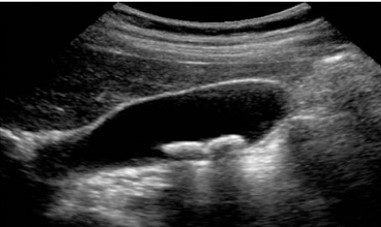
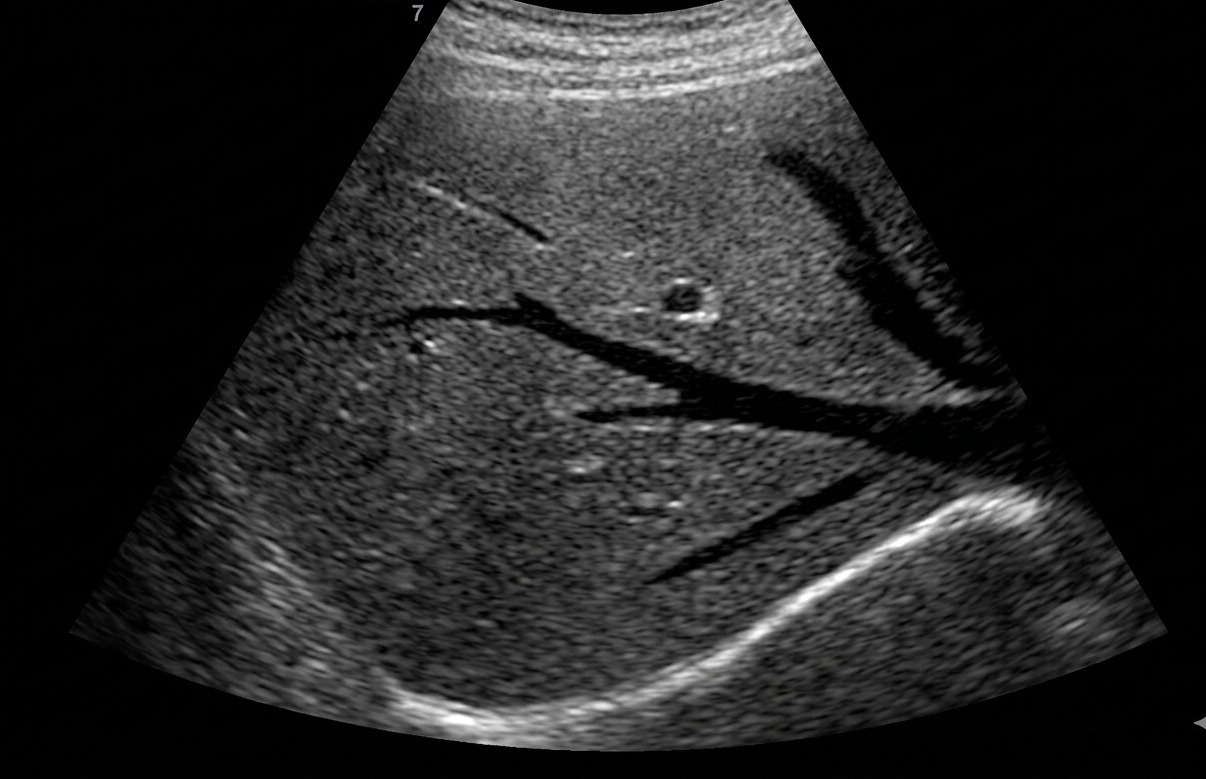
Ultrasound imaging of the abdomen uses high frequency sound waves to produce pictures of the structures within the abdomen. It develops the ultrasound images of internal organs. This procedure evaluates the liver, gallbladder, bile ducts, pancreas, kidneys, bladder spleen and abdominal aorta/retroperitoneum. This procedure is totally safe, noninvasive and does not use ionizing radiation.

Pelvis
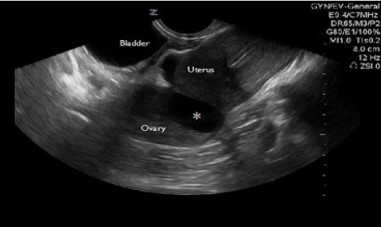
Pelvis / Lower Abdomen

Ultrasound imaging of the pelvis utilizes sound waves to get clear view of the structures and organs in the lower abdomen and pelvis. It allows the quick visualization of the female pelvic organs and the structures and detects fibroid tumors, ovarian growths, cysts, and problems with fallopian tubes. This exam is mostly used to evaluate the reproductive and urinary systems. In men, a pelvic ultrasound usually focuses on the bladder and the prostate gland. This examination is totally safe, noninvasive and does not use ionizing radiation.

Upper Abdomen
Upper Abdomen / Chest

Abdominal pain, bloating and general discomfort are some of the major symptoms for a general upper abdominal ultrasound scan. An abdominal ultrasound produces a picture of the organs and other structures in the upper abdomen. If there is any abdominal pain or distention, kidney disease due to abnormal RFT (renal function test), liver problems from an abnormal LFT (liver function test), gall bladder stones or kidney stones and enlargement of the abdomen, these symptoms can be easily detected through this examination.